
It’s a question that has followed diving for decades: why can two divers complete the same dive, yet only one develops a problem?
For most recreational divers, profiles are well within accepted limits. No decompression obligation. A controlled ascent. Safety stop completed.
And yet, occasionally, something still doesn’t add up.
A new research initiative in the Red Sea is now looking directly at that gap, focusing on one key factor often overlooked in dive planning: the individual.
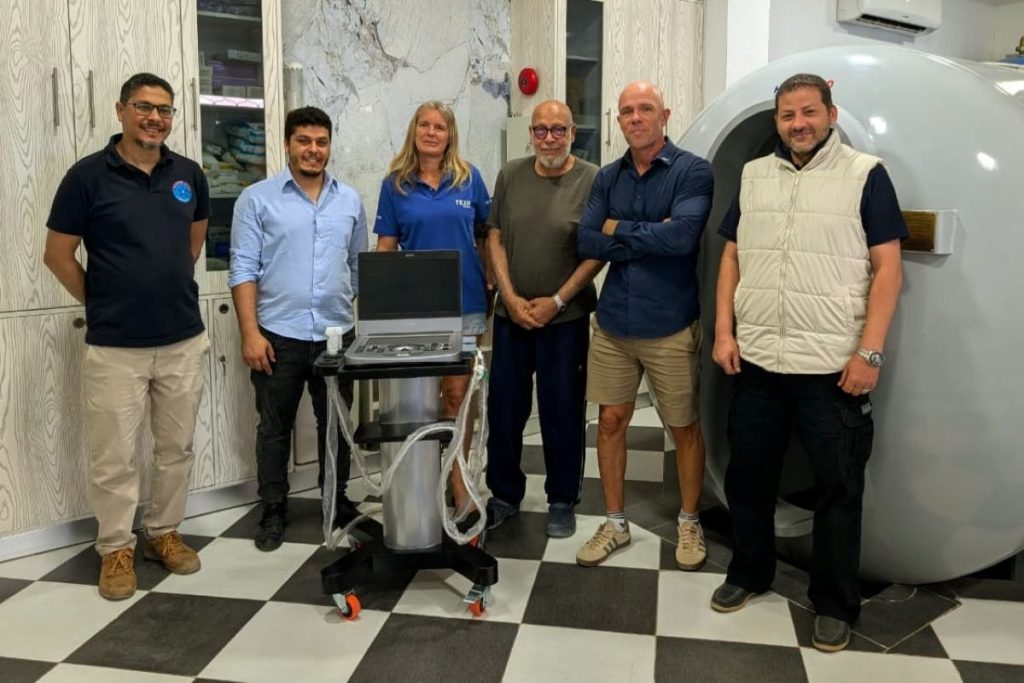
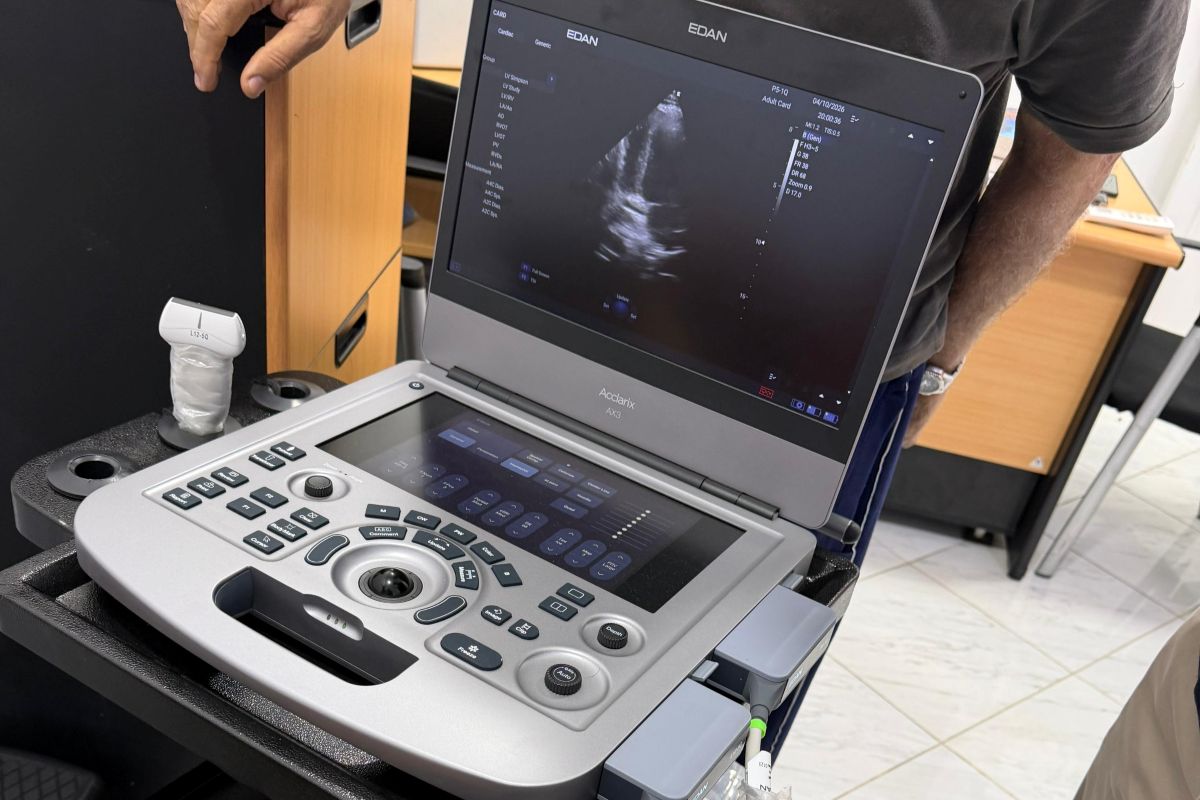
Supported by Emperor Divers, the project has introduced a Doppler ultrasound system into real-world diving environments in Hurghada and Marsa Alam. Fully funded by Emperor and its guests, the technology allows researchers to detect post-dive bubble formation – even when no symptoms are present.
Led by Hypermed Red Sea and Baromedical Red Sea, the 2026 study shifts attention away from the dive profile itself and towards how each diver’s body responds to it. The project is overseen by Dr Hossam Nasef and Dr Hanaa M. Nessim, with day-to-day research led by Dr Abdelrahman Hossam and Dr Abdelhakim Hossam.
By monitoring divers with comparable characteristics – including age, sex, body composition and dive profiles – researchers will look for patterns that may explain why individuals respond differently under similar conditions.
While recreational diving is the primary focus, the work will also explore whether alternative decompression strategies may be more suitable for certain individuals, particularly in technical diving.
In time, this could open the door to a more personalised approach to decompression – based not just on the dive, but on the diver.
One of the most significant aspects of the research is its potential to highlight underlying physiological factors. Doppler monitoring may help identify divers – both local professionals and visiting tourists – who could be at increased risk, including those with Patent Foramen Ovale (PFO).
For divers who have experienced decompression sickness despite staying within standard limits, this could support earlier identification and referral for further medical evaluation.
The Red Sea is one of the busiest diving regions in the world, with a concentration of real-world diving medicine experience. The teams behind Hypermed and Baromedical are not working in theory – they are managing cases week in, week out.
This study builds directly on that experience.
Dr Hossam Nasef explained: “In our daily work, we see that two divers can complete the same dive and have very different outcomes. This project allows us to move beyond assumption and begin measuring what is actually happening inside the body. With this data, we hope to better understand individual susceptibility and improve how we approach diver safety.”
Luke Atkinson of Emperor Divers added: “Our guests have been supporting these chambers for years, often without fully seeing the impact of their contributions. This project is a direct result of that support. If we can take what we learn here and turn it into something that genuinely improves diver safety, then that’s something worth investing in.”
What Can You Do to Help?
If you’ve travelled with us before, you already have.
From every single Red Sea trip with Emperor, guest donations contribute directly to supporting these vital hyperbaric chambers. Those contributions have helped keep services running, improve response capability, and – in this case – make it possible to introduce new technology.
We were proud, as Emperor Divers, to add to those contributions ourselves, enabling the purchase of this Doppler system.
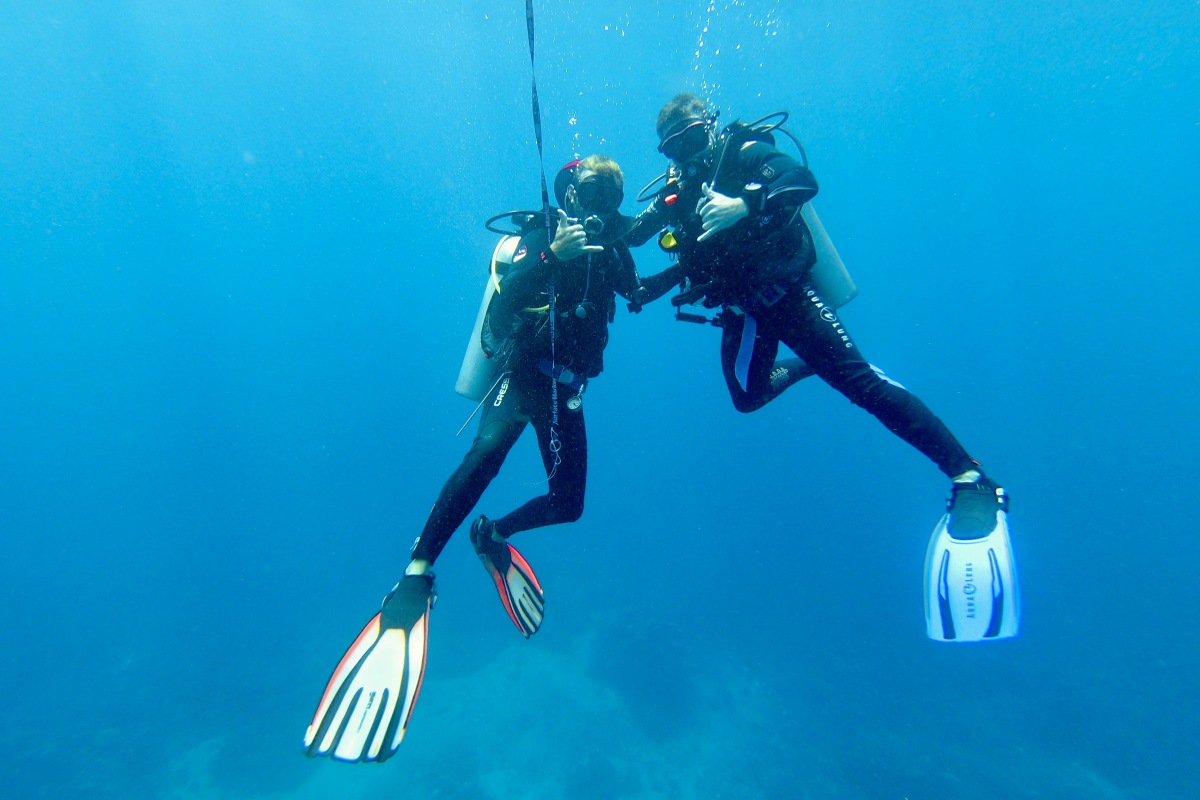
There will also be an opportunity to get directly involved. We will be looking for volunteer divers, particularly on safari, who:
- are diving as a buddy pair
- are of similar age, sex and physical build
- are willing to dive closely matched profiles during a trip
Selected participants will be invited to take part in the study and, in return, will receive a discount on their trip and a special limited-edition project T-shirt.
If you believe you and your buddy would be a good fit and would like to be considered, please contact us at [email protected] to find out more.