

There are very few places in the world where an entire region descends into near-total silence. Yet, once a year in Bali, that is exactly what happens.
Nyepi – the Balinese Day of Silence – marks the Hindu New Year but is more than just a public holiday; it acts as a spiritual reset and brings daily life to an almost-complete standstill.
Unlike the fireworks and mass gatherings that characterise many a Western new year celebration, Nyepi begins at 6am and lasts for 24 hours of stillness. Airports close, roads empty, businesses shut and even the beaches fall quiet.
Everyone – locals and tourists alike – are required to remain within their hotels, with lights dimmed and noise kept to an absolute minimum. The island, usually so alive with the noise of scooters, people, and general busy life becomes hushed.
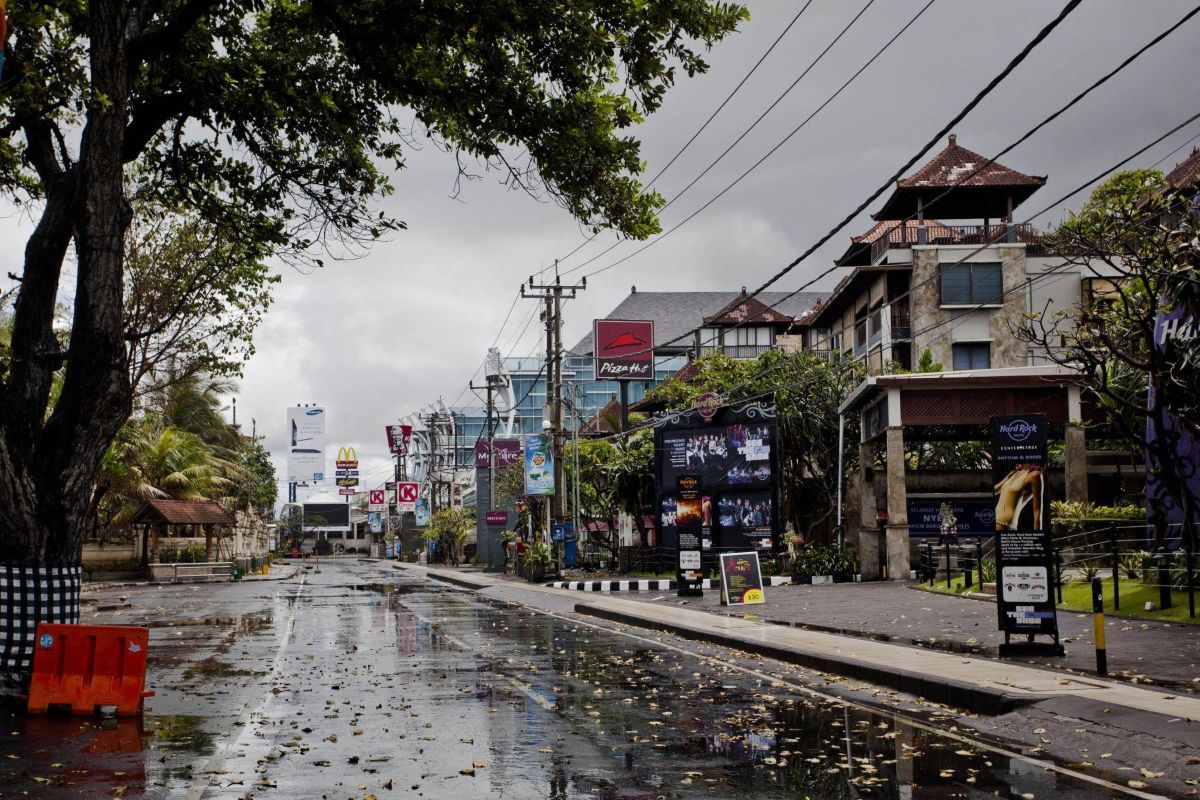
In practical modern terms, this means no television, no music, no cooking, no going out – and no phones, computers, or internet use. A time to go off-grid and spend the day in introspection and relaxation.
It also means no light, with the theory being evil spirits fly over the island at night, so darkness means they will not be able to see you and then come down.
But the silence and darkness is only part of the story. In the days leading up to Nyepi, villages hold purification rituals known as Melasti, where sacred objects are carried to the sea for cleansing.
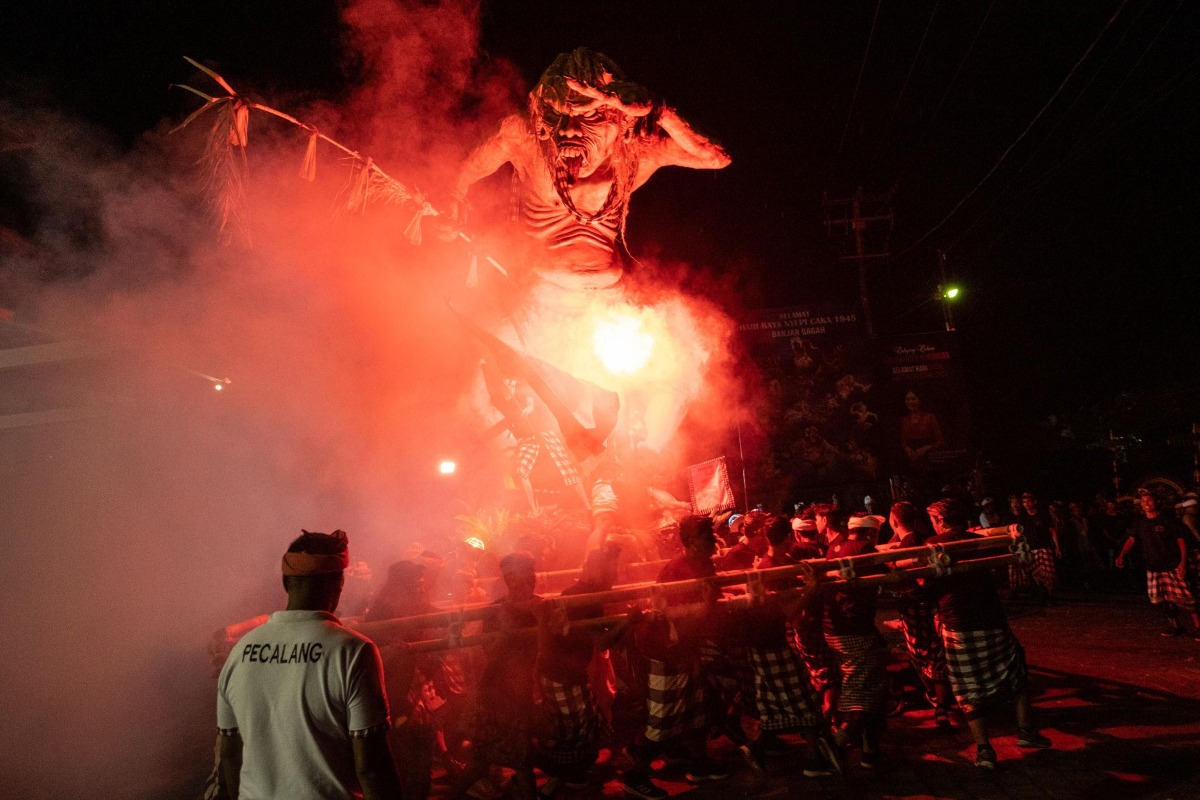
On the eve of Nyepi, enormous papier-mâché ogoh-ogoh statues – depicting spirits and sympbolising the evils of human nature or negativity in the universe – are paraded through the streets in vibrant, noisy processions before being destroyed. The contrast is deliberate. The chaos represents negative forces; the following silence allows them to pass unnoticed.
At its heart, Nyepi is guided by four principles:
Amati Geni – no fire or light.
Amati Karya – no work.
Amati Lelungan – no travel.
Amati Lelanguan – no entertainment or pleasure.
For practising Balinese Hindus, the day is devoted to reflection, fasting and meditation. It is a moment to restore balance between the human, natural and spiritual worlds – a concept deeply rooted in Balinese philosophy, particularly the idea of harmony known as Tri Hita Karana.
In modern Balinese society, Nyepi remains remarkably intact despite tourism’s growth. The airport closure affects international travel, yet the observance is respected island-wide. For many Balinese, it is a reminder that community and spirituality sit above commerce.
In an increasingly noisy and technology-driven world, Nyepi is a truly special occurrence. An island choosing silence and stillness – showing that an absence of modern living, is a powerful affirmation of life itself.