
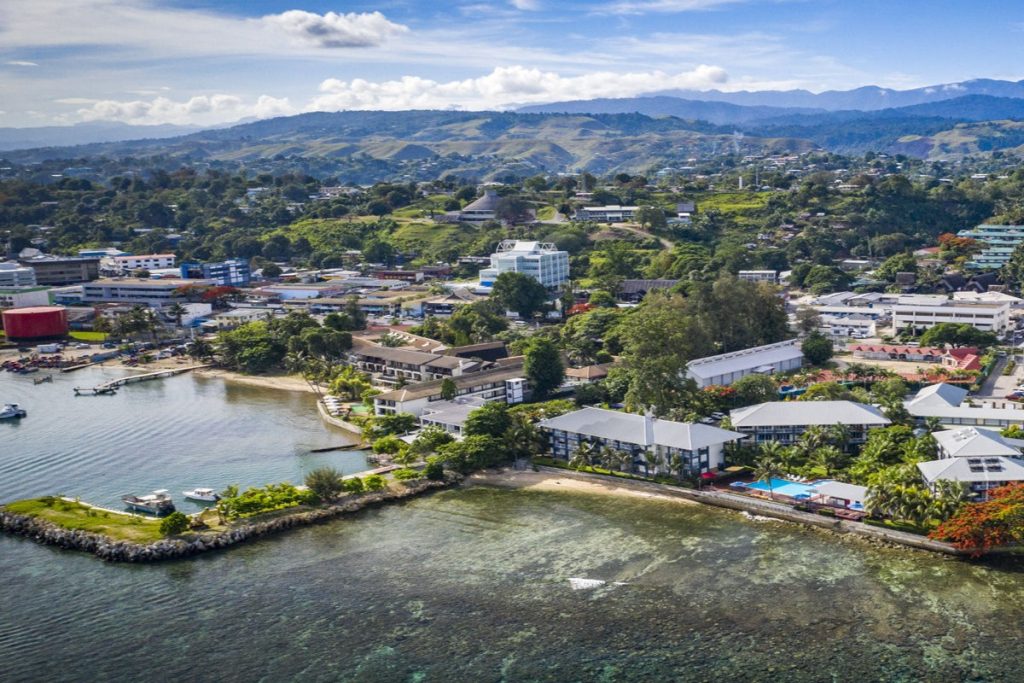
To modern-day Solomon Islands visitors, there would be little to suggest Honiara has ever been anything other than the country’s main town.
With a population of around 100,000 people, the capital city is by far the biggest urban centre in the country, home to roughly one-sixth of the Solomon Islands’ total population.
It’s where you’ll find the main government buildings, Parliament House, international airport, main port, and most of the country’s major businesses, schools, and hospitals.
But this bustling city has only taken such a key role relatively recently and has a fascinating history shaped by war, reconstruction, and opportunity.
Located on the northern coast of Guadalcanal, Honiara’s rise to prominence began not through politics or trade, but through the devastation of World War II.
Before the war, the capital of the British Solomon Islands Protectorate was Tulagi, a small island in the Florida Islands group. Honiara didn’t really exist as a town at all.
The area was mostly undeveloped coastal land on the north shore of Guadalcanal Island, dotted with a few small villages and plantations. There was no major settlement, port, or administrative centre there.
Find out more about diving the waters of Guadalcanal and Tulagi
Tulagi served as the administrative centre from the early 1890s, chosen for its deep natural harbour and relatively secure position. However, it was a small and quite confined area. Beautiful enough but impractical for future growth.
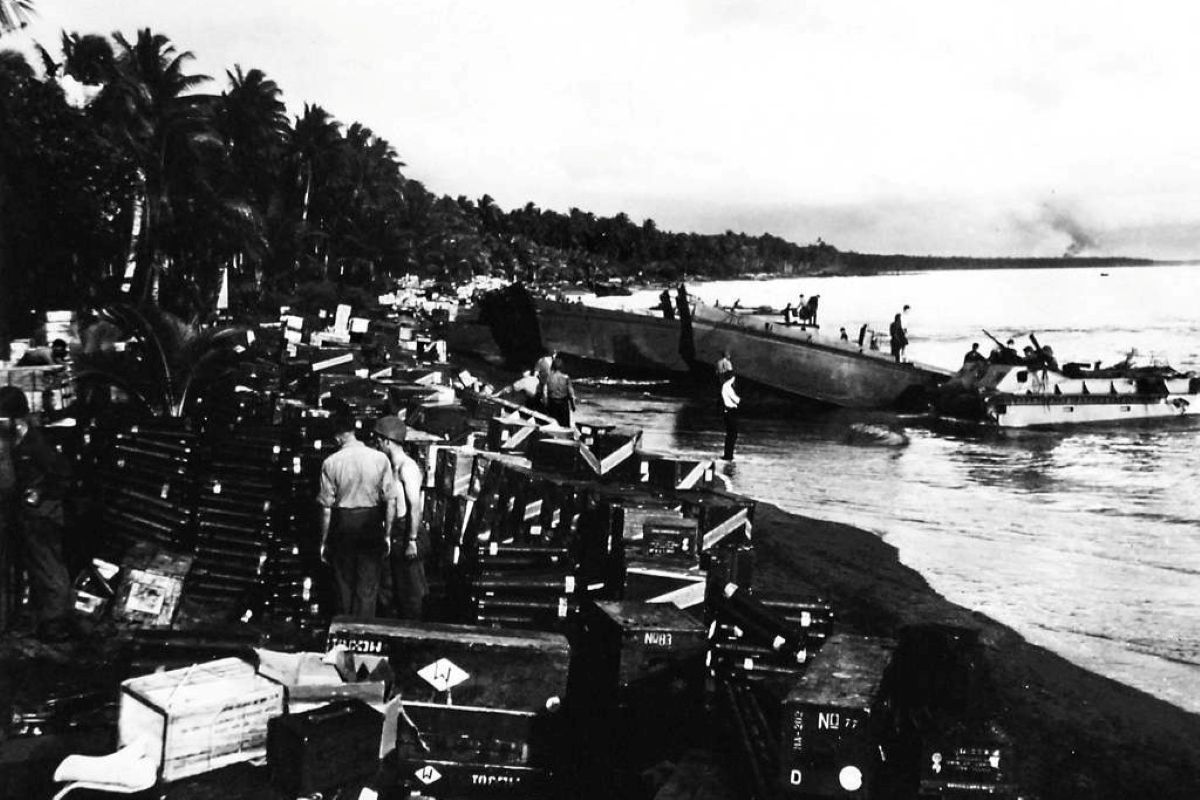
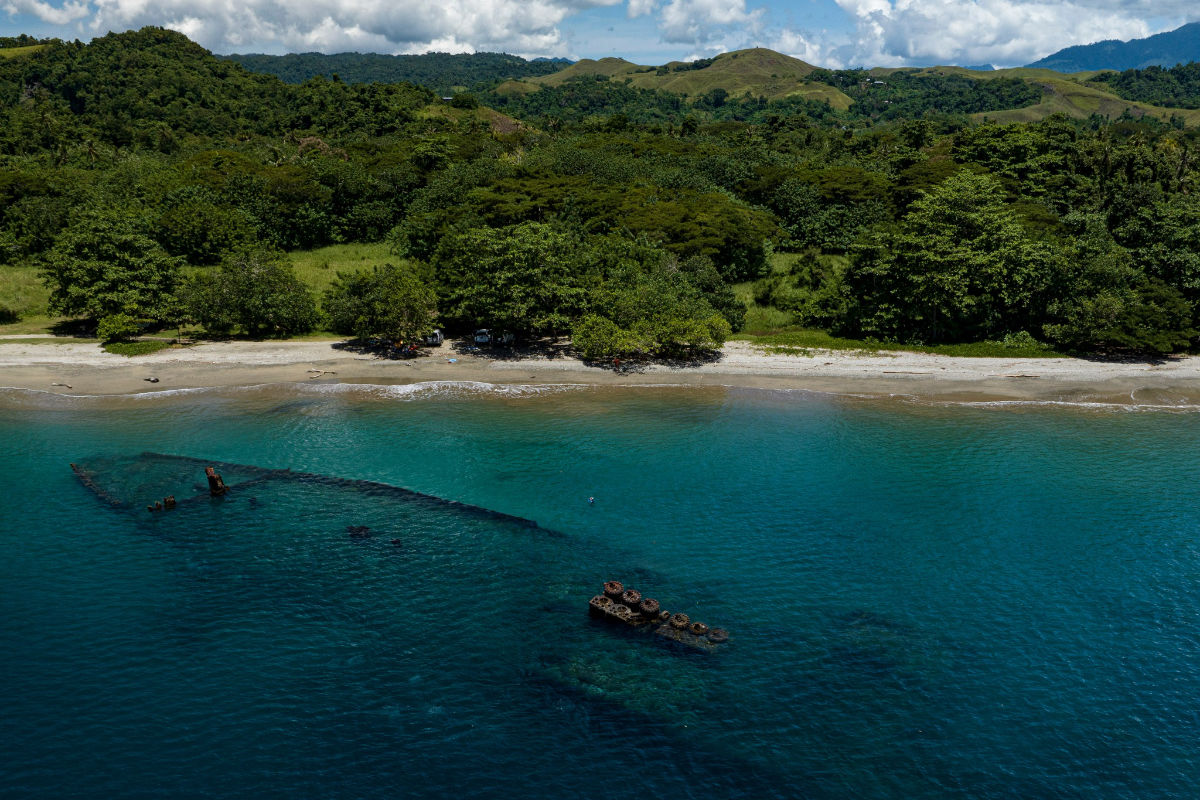
During the Second World War, Tulagi and the surrounding islands became strategic targets in the Pacific campaign. In 1942, the Japanese occupied Tulagi and built airstrips on nearby Guadalcanal where the flat coastal plains were ideal for military construction.
The ensuing Battle of Guadalcanal, one of the most significant and brutal campaigns in the Pacific theatre, changed the region forever.
When the Allies reclaimed the area, they used the northern Guadalcanal coast as their base, establishing extensive infrastructure including airfields, roads, and ports.
At the war’s end, British administrators recognised that rebuilding the devastated Tulagi would be costly and limiting. Instead, they decided to move the capital to Honiara, where the wartime airfield (now Henderson International Airport) and established roads offered a solid foundation for development.
Thus, in 1952, Honiara officially replaced Tulagi as the capital of the Solomon Islands Protectorate.
From that point on, it rapidly expanded into a modern administrative, commercial, and cultural hub. A place that emerged from the necessity for wartime development now serving as the thriving centre of a proud Pacific nation.
Contact us on [email protected] to find out more about diving in the Solomon Islands and to discover what else you can explore while visiting Honiara